


-

Add: HeBei ShengShi HongBang Cellulose Technology CO.,LTD.
-

Email
13180486930@163.com -

CONTACT US
+86 13180486930




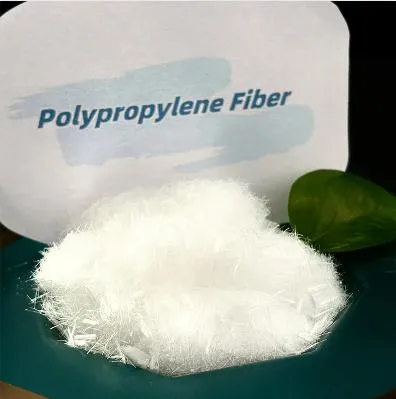
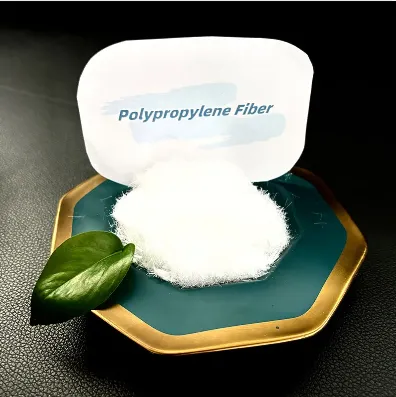
The Role of Manufacturers in the Production of PP Fiber Polypropylene (PP) fiber has gained significant popularity in the textile and industrial sectors due to its unique properties, including lightweight, durability, and resistance to moisture and chemicals. This versatile material is commonly used in various applications, from clothing to carpets and industrial packaging. The manufacturers of PP fiber play a crucial role in ensuring the quality, efficiency, and innovation of this essential material. This article delves into the key aspects of PP fiber manufacturing, its significance, and the future of this industry. Understanding PP Fiber PP fiber is derived from polypropylene, a thermoplastic polymer. The manufacturing process involves polymerization, where propylene monomers are chemically reacted to form long chains of polypropylene. These chains are then spun into fibers through a process known as melt spinning. As a result, manufacturers can produce fibers of different thicknesses and characteristics, catering to diverse applications. Key Manufacturers Several key players dominate the PP fiber manufacturing landscape. Companies such as Reliance Industries, Indorama Ventures, and LyondellBasell are among the largest producers globally. These manufacturers utilize cutting-edge technology and innovative practices to produce high-quality fibers that meet international standards. Their commitment to research and development has led to advancements in fiber properties, including enhanced strength, UV resistance, and dyeability. Quality Control and Innovation Quality control is paramount in the production of PP fiber. Manufacturers conduct rigorous testing and inspections at various stages of production to ensure that the final product meets specified standards. This includes assessing the fiber's tensile strength, elongation, and resistance to chemicals. By investing in advanced testing equipment and technologies, manufacturers can maintain high quality and consistency, ultimately leading to increased customer satisfaction. mga tagagawa ng pp fiber Innovation is another critical aspect of PP fiber production. As the demand for sustainable and eco-friendly materials rises, manufacturers are exploring new ways to produce PP fibers with a reduced environmental impact. This includes using recycled materials and developing biodegradable PP fibers. By focusing on sustainability, manufacturers are not only meeting market demands but also contributing to global efforts in reducing plastic waste. Applications of PP Fiber PP fiber's versatility allows it to be used in various applications across different industries. In the textile industry, it is widely utilized in making clothing, upholstery, and home furnishings due to its lightweight and breathable nature. In the industrial sector, PP fiber is used for manufacturing geotextiles, ropes, carpets, and automotive interior components. Additionally, its chemical resistance makes it suitable for applications in the medical field, such as disposable surgical gowns and coverings. Challenges in the Industry Despite the many advantages of PP fiber, manufacturers face several challenges. One significant issue is the fluctuating prices of raw materials, particularly propylene. This volatility can affect production costs and ultimately impact pricing for consumers. Additionally, the environmental concerns associated with plastic production require manufacturers to adapt and find sustainable solutions. Striking a balance between profitability and environmental responsibility is a challenge that continues to shape the industry. The Future of PP Fiber Manufacturing Looking ahead, the future of PP fiber manufacturing appears promising. As technology continues to advance, manufacturers will likely develop even stronger and more versatile fibers. Innovations in production processes may lead to greater efficiency, reduced costs, and enhanced sustainability. Furthermore, as global consumer preferences shift towards more sustainable products, manufacturers will need to adapt quickly to remain competitive. In conclusion, manufacturers of PP fiber play a vital role in the textile and industrial markets. Their commitment to quality, innovation, and sustainability shapes the future of this material. As they navigate the challenges of raw material volatility and environmental concerns, these manufacturers will undoubtedly pioneer new solutions and practices that benefit both their businesses and the global community. As PP fiber continues to evolve, it will remain an essential material in our everyday lives, highlighting the integral role of its manufacturers.
- 40000tons

Production
- 20+years

Experience
- 5000+㎡

Acreage

-
Kizuia Jasi Embracing Resilience and Strength In a world fraught with challenges, the concept of Kizuia Jasi emerges as a beacon of hope and resilience. This phrase, derived from theoretical notions in philosophical literature, embodies the essence of overcoming adversity and thriving despite life's uncertainties. Kizuia Jasi can be interpreted as a symbolic journey through pain and healing. It suggests that every scar we carry tells a story— a narrative of struggle, growth, and ultimately, transformation. Each experience of hardship shapes us, offering lessons that fortify our spirit and illuminate the path towards self-discovery. Kizuia Jasi Embracing Resilience and Strength Cultural narratives across the globe highlight the importance of resilience, and Kizuia Jasi aligns closely with these traditions. In many cultures, stories of heroes overcoming adversity serve as metaphors for human tenacity. From ancient mythologies to modern literature, the motif of the underdog triumphing against all odds inspires individuals to confront their fears and stand tall in the face of adversity. These narratives not only entertain but also instill a sense of possibility, reminding us that resilience is a universal human trait. kizuia jasi Moreover, Kizuia Jasi encourages introspection and self-awareness. Understanding our pain allows us to navigate the complexities of our emotions, transforming them into sources of strength. Journaling, therapy, and open dialogues about mental health can facilitate this understanding. By processing our experiences—whether they involve loss, failure, or personal setbacks—we create space for healing. This healing is not linear; rather, it comes in waves, ebbing and flowing as we traverse the landscape of our emotions. In embracing Kizuia Jasi, we also cultivate empathy towards others. Recognizing that everyone bears their own scars fosters compassion and connection. By sharing our stories of resilience, we create a community built on mutual understanding and support. In a society that often celebrates success without acknowledging the struggle behind it, Kizuia Jasi invites us to honor both the triumphs and the trials. As we navigate an increasingly complex world, the principles embodied in Kizuia Jasi remind us that resilience is empowered through community and shared experience. In moments of darkness, it is the bonds we forge with others that illuminate our path forward. We learn, we support, and we rise together. In conclusion, Kizuia Jasi serves as a powerful reminder that within each of us lies the capacity to weather storms and emerge stronger than before. It encourages us to embrace our scars, recognizing them as symbols of our journeys rather than marks of defeat. As we navigate the complexities of our lives, may we carry the spirit of Kizuia Jasi in our hearts— a testament to our resilience, our strength, and our unyielding capacity to rise above adversity. Through this embrace, we allow ourselves not only to survive but to flourish in the face of challenges, turning our pain into powerful narratives of hope and transformation.
-
The Producers of Starch Ether An Overview Starch ethers are innovative chemical derivatives produced from starch, a polysaccharide that serves as a primary energy source in many plants. These derivatives are essential in various industries, including food, pharmaceuticals, cosmetics, and papermaking, due to their unique properties. In this article, we will explore the key producers of starch ethers, their manufacturing processes, and their applications. Understanding Starch Ethers Starch ethers are formulated by reacting starch with etherifying agents. This process modifies the starch, enhancing its solubility, viscosity, and thermal stability. Common etherifying agents include ethylene oxide, propylene oxide, and chloroacetic acid. The resultant starch ethers possess characteristics that are highly beneficial for different applications, such as improved binding, thickening, and film-forming properties. Key Producers in the Industry . 2. Roquette Frères A worldwide leader in plant-based ingredients, Roquette Frères specializes in starch derivatives, including starch ethers. Their extensive product range caters to diverse industrial needs, and they focus on producing sustainable, high-performance solutions. Roquette emphasizes continuous innovation, aiming to provide cutting-edge products to enhance the functionality of food, nutraceuticals, and cosmetics. производители эфира крахмала 3. Tate & Lyle Tate & Lyle is renowned for its expertise in food ingredients and solutions. The company produces various starch-based products, including starch ethers. With a strong focus on health and wellness, Tate & Lyle develops formulations that support clean label initiatives while meeting the demands for texture and performance in food products. 4. ADM (Archer Daniels Midland Company) ADM is a global leader in agricultural processing and one of the top starch ether producers. The company’s vast network and expertise allow for the efficient production of starch derivatives. ADM's focus on innovation and sustainability ensures the development of solutions that meet the evolving needs of the market. 5. Ashland Global Holdings Inc. Ashland is known for its specialty chemicals and has a significant portfolio of starch derivatives. The company's starch ethers find widespread applications in personal care products due to their thickening and film-forming capabilities. Ashland's commitment to research enables them to provide customized solutions across various industries. Applications of Starch Ethers Starch ethers are utilized in a multitude of applications. In the food industry, they serve as thickeners and stabilizers, enhancing texture and shelf life. In pharmaceuticals, they improve the formulation of medicines, acting as excipients that aid in the drug delivery process. The cosmetics industry benefits from their film-forming and moisturizing properties, while the papermaking sector uses them for improved adhesion and viscosity. Conclusion The production of starch ethers is a thriving sector due to their versatility and functional benefits across various industries. Leading companies like Cargill, Roquette, Tate & Lyle, ADM, and Ashland play crucial roles in the supply chain, constantly innovating to meet market demands. As industries continue to prioritize sustainability and performance, the relevance of starch ethers is only set to grow, making it an exciting area for future developments.
advantages
-

200000 Viscosities
Excellent product
We can produce pure products up to 200,000 viscosities
-

40000 tons
High yield
We don’t stop production all year round, and the annual output can reach 40,000 tons
-

24 hours
Quality service
We provide 24-hours online reception service, welcome to consult at any time
———— Inquiry Form
Schedule A services

-
 hydroxypropyl_starch_phosphate_supplier
Oct . 25, 2025
Hydroxypropyl methylcellulose, popularly branded as HPMC Methocel, is an indispensable additive in v -
 fabricants_de_fibres_de_polypropylene
Oct . 25, 2025
Understanding Gypsum-Based Chemical Additives Applications and Benefits Gypsum, a naturally occurrin -
 hydroxypropyl_cellulose_in_food
Oct . 25, 2025
Innovative material engineering is transforming industrial textiles, and strategic blending of fibre


